The Professional Refinisher’s Equipment Cheatsheet: The Right Tools for the Best Results

March 16, 2026

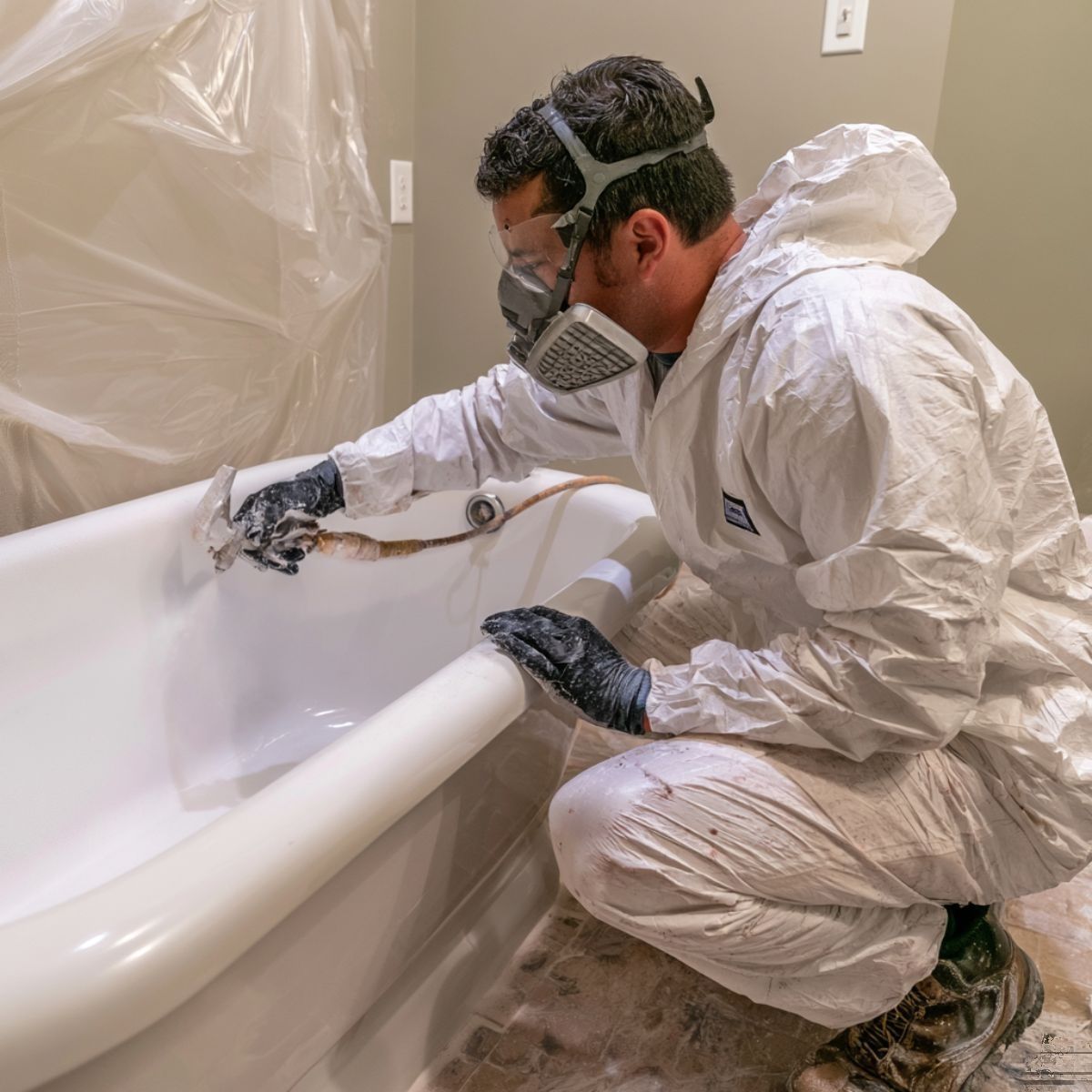
Professional bathroom and kitchen refinishing requires more than high-quality coatings. The durability, appearance, and efficiency of a refinishing project depend heavily on the equipment used to prepare surfaces, apply coatings, control overspray, and maintain a safe work environment.

Whether restoring bathtubs, tile surrounds, shower pans, sinks, countertops, or cabinets, professional refinishers rely on specialized tools that help deliver smooth finishes, consistent coverage, and predictable curing results.

This equipment cheatsheet outlines the core tools used by professional refinishers and the technical features that matter most when selecting equipment. It also explains how equipment choices influence coating performance when using professional bathtub coating systems.

The goal is simple: help professional contractors choose the right equipment to deliver consistent, long-lasting refinishing results.

Core Equipment Categories for Professional Refinishing

Most refinishing operations rely on five major equipment groups:


  • Spray guns and coating delivery systems
  • Ventilation and containment equipment
  • Surface preparation tools
  • Cleaning and maintenance equipment
  • Portable job-site setup tools


Each category plays a role in ensuring coatings apply evenly and cure properly.

Spray Guns & Coating Application Systems

HVLP Spray Guns for Professional Refinishing

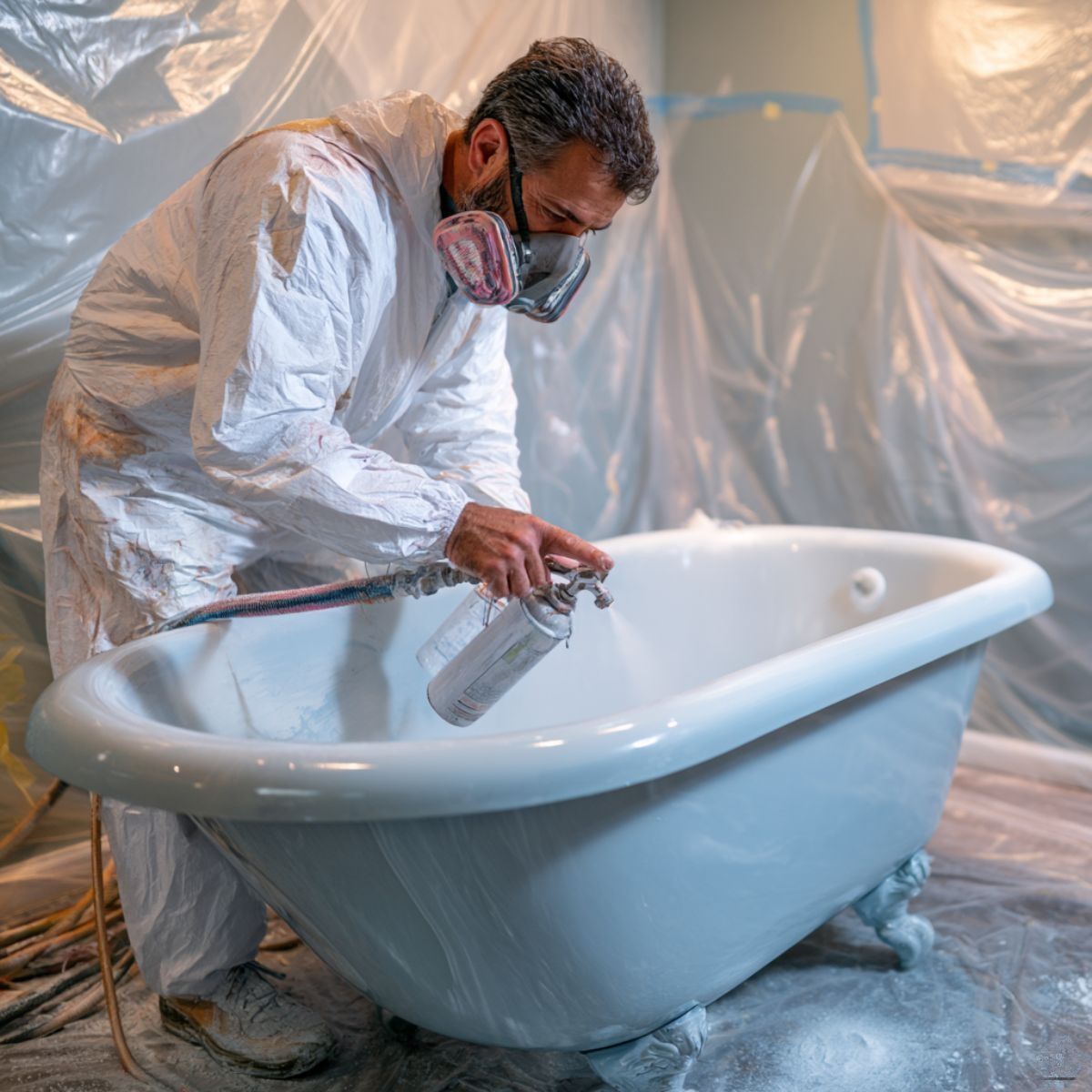
High Volume Low Pressure (HVLP) spray guns are widely used in bathtub and tile refinishing because they provide excellent atomization with minimal overspray.


Important features to look for:

  • Adjustable fan pattern
  • Stainless fluid passages
  • Fine atomization capability
  • Multiple nozzle sizes
  • Easy disassembly for cleaning


HVLP guns work particularly well for refinishing systems such as Zenix iso free top coat and Synergy polyurethane acrylic topcoat, which require smooth, controlled spray patterns to achieve a factory-like finish.

HVLP vs Airless Systems

Both systems have advantages depending on the application.


HVLP systems


  • Easier cleanup


  • Smoother finish quality


  • Better for tubs, tile, and cabinets


  • More control in tight spaces


Airless sprayers


  • Faster coverage


  • Better for large surfaces


  • Less control for small bathrooms


Most refinishing contractors prefer HVLP systems for bathroom fixtures because they reduce orange peel and dry spray.

Recommended Needle and Nozzle Sizes

The correct needle and nozzle size determines how well coatings atomize.


Typical ranges include:


  • 1.3–1.5 mm for most refinishing topcoats and primers


  • 1.8–2.0 mm for thicker coatings or heavy primers


Using the correct nozzle size helps coatings like WTR-Tek and Zenix atomize smoothly.

Recommended Needle and Nozzle Sizes

The correct needle and nozzle size determines how well coatings atomize.


Typical ranges include:


  • 1.3–1.5 mm for most refinishing topcoats and primers


  • 1.8–2.0 mm for thicker coatings or heavy primers


Using the correct nozzle size helps coatings like WTR-Tek and Zenix atomize smoothly.

Turbine Systems for Mobile Refinishing

Professional refinishing contractors often use turbine spray systems because they are portable and reliable.


  • Important turbine features include:


  • Multiple turbine stages for consistent airflow


  • Long hose length for mobility


  • Heat management for extended spraying sessions


  • Stable pressure output


Higher stage turbines deliver stronger atomization for coatings that require fine spray patterns.

Spray Gun Pressure Settings

Proper pressure is essential for minimizing overspray and orange peel.


Typical refinishing pressure ranges:


  • 6–10 PSI at the cap for HVLP


  • Higher pressures for fine finish work


  • Higher pressures for thicker coatings


Too much pressure creates overspray. Too little pressure creates poor atomization.

Preventing Spray Gun Clogs

Spray gun clogs can interrupt a refinishing job and affect finish quality.


Best practices include:


  • Filtering coatings before pouring into the cup


  • Cleaning the gun between coats


  • Avoiding partially cured coatings inside the gun


  • Flushing lines immediately after spraying

Separate Spray Guns for Different Coatings

Many professional refinishers maintain separate spray guns for:


  • Primers
  • Topcoats
  • Cabinet coatings
  • Clear Coats (this avoids contaminates with the pigments in the different products)


Using separate guns reduces contamination and improves finish quality when switching between coatings like Prime-X, Cabinext, and Zenix.

Ventilation & Containment Systems

Bathroom Ventilation Setup for Refinishing

Ventilation is essential for controlling overspray and maintaining safe working conditions.


Effective ventilation setups include:


  • High-capacity exhaust fans


  • Flexible ducting to exterior windows


  • Overspray filtration systems


  • Containment barriers


Proper ventilation helps coatings cure evenly and reduces airborne particles.

Portable Spray Booth Systems

Mobile spray containment systems are common in professional refinishing operations.


Benefits include:


  • Controlling overspray


  • Protecting surrounding areas


  • Improving airflow


  • Minimizing dust and debris in finish


Portable containment is especially useful for apartment complexes and commercial properties.

Exhaust Fan Strength for Small Bathrooms

Bathroom refinishing environments often require high airflow in small spaces.


Effective exhaust fans should provide:


  • High cubic feet per minute airflow


  • Non sparking--induction motors


  • Portable mounting options


  • Durable motors


Strong airflow removes overspray and solvent vapors quickly.

Venting Overspray in Apartments or Schools

When working in multi-unit buildings or institutional environments, refinishers often use:


  • sealed containment systems


  • window exhaust systems


  • overspray filters


  • low-odor coating systems like WTR-Tek


These setups reduce disruption while maintaining coating performance.

Cleaning & Equipment Maintenance

Cleaning Spray Guns Between Jobs

Maintaining spray equipment prevents contamination and ensures consistent performance.


Typical cleaning process:


  1. Empty coating cup
  2. Flush system with cleaning solvent
  3. Remove nozzle and needle
  4. Clean internal passages
  5. Reassemble and test spray


Proper cleaning extends the life of professional spray equipment.

Protecting Spray Gun Seals and Components

Not all cleaning solutions are safe for spray gun components.


Choose cleaning solutions that:


  • Do not degrade seals
  • Do not corrode internal passages
  • Remove coating residue effectively
  • Use nylon brushes and Zen-Strip Liquid for monthly thorough cleanings.


Regular maintenance prevents costly equipment replacement.

Replacing Spray Gun Parts

High-use refinishing contractors should inspect:


  • fluid needles
  • nozzle tips
  • air caps
  • trigger assemblies


Replacing worn components ensures consistent spray patterns.

Compressor and Turbine Maintenance

Compressors and turbines require routine maintenance.


Best practices include:


  • cleaning air filters


  • draining moisture traps


  • inspecting hoses


  • replacing worn fittings


Clean airflow helps coatings atomize properly.

Equipment Compatibility With Modern Coatings

Professional refinishing coatings vary in viscosity and atomization requirements.


Equipment should be capable of handling both:


  • high-build primers like Prime-X


  • topcoats such as Zenix


  • water-based coatings like WTR-Tek


Choosing versatile equipment allows contractors to switch between coating systems without replacing hardware.

Portable Refinishing Setup for Mobile Contractors

Professional refinishers often operate from mobile vans.


Compact equipment systems may include:


  • turbine spray system


  • rolling tool case


  • portable ventilation kit


  • lighting system


  • sanding tools


  • masking equipment


Efficient mobile setups allow contractors to complete jobs quickly and consistently.

Lighting Equipment for Low-Light Bathrooms

Proper lighting reveals surface imperfections before spraying.


Professional refinishers often use:


  • portable LED work lights

  • adjustable magnetic lighting

  • high-CRI inspection lights


Strong lighting helps detect defects before applying coatings.

Efficient Jobsite Setup in Tight Spaces

Small bathrooms present logistical challenges.


Refinishers often optimize space by:


  • using compact turbine systems


  • placing ventilation equipment outside the bathroom


  • organizing tools in rolling carts


  • masking surrounding fixtures efficiently


These setups improve productivity and reduce job time.

Cost vs Value When Buying Refinishing Equipment

Professional refinishing equipment ranges widely in cost.


Factors influencing value include:


  • spray consistency


  • durability


  • maintenance requirements


  • ease of cleaning


  • compatibility with multiple coatings


Mid-range professional equipment often provides the best balance of performance and affordability.


Investing in reliable tools reduces callbacks and improves finish quality.

Frequently Asked Questions

Spray Guns & Systems

What’s the best spray gun for refinishing tubs, tile, and cabinets?

HVLP spray guns are widely used because they provide fine atomization and minimize overspray, producing smooth finishes on bathtubs, tile, and cabinetry.

HVLP vs airless: which gives a better finish?

HVLP systems typically provide a smoother finish and better control for refinishing projects, especially in small bathrooms.

What needle/nozzle size should I use for 2K urethanes or epoxy coatings?

Which turbine systems are powerful enough for bathtub refinishing?

Multi-stage turbine systems provide sufficient airflow and pressure stability for professional refinishing.

What pressure setting minimizes overspray and orange peel?

Lower HVLP cap pressures around 6–10 PSI typically provide balanced atomization and finish quality.

How do I prevent my spray gun from clogging mid-job?

Filtering coatings, cleaning the gun between coats, and flushing lines immediately after spraying prevents clogging.

Can I use the same spray gun for tubs, tile, and cabinets?

Many refinishers use separate spray guns for primers, topcoats, and cabinet coatings to avoid contamination.

Is there a cordless spray system that works for refinishing on-site?

Portable turbine systems provide mobility similar to cordless units while maintaining consistent airflow. These portable battery systems need to be certified for solvent based materials. Like the "Greco Quick shot".

Ventilation & Containment

What’s the best ventilation setup for refinishing bathrooms?

Portable exhaust systems with ducting to exterior windows provide effective airflow for small bathroom environments.

Do I need a portable spray booth or containment system?

Containment systems help control overspray and protect surrounding surfaces during refinishing projects.

What type of fan is strong enough for small bathrooms?

High airflow exhaust fans with portable ducting effectively remove overspray and vapors.

How do I vent overspray safely in apartment jobs?

Using window exhaust systems and containment barriers helps direct overspray outside the work area.

Cleaning & Maintenance

What’s the fastest way to clean a spray gun between jobs?

Flushing the gun shortly after spraying and disassembling the nozzle and needle ensures thorough cleaning.

What gun cleaning solutions protect seals?

Cleaning solutions designed for coating systems help remove residue without damaging seals.

How often should spray gun parts be replaced?

High-use spray guns should have needles, nozzles, and seals inspected regularly and replaced when wear appears.

Do compressor or turbine filters need cleaning?

Yes. Dirty filters reduce airflow and negatively affect spray performance.

Coating Compatibility

What equipment handles thick coatings like Zenix or WTR-Tek?

Professional HVLP spray systems with appropriate nozzle sizes can atomize thicker refinishing coatings effectively.

Will HVLP atomize water-based primers effectively?

Yes. With the proper nozzle size, HVLP systems can spray water-based primers smoothly.

Yes. With the proper nozzle size, HVLP systems can spray water-based primers smoothly.

What sprayers handle both primers and topcoats?

Spray guns with interchangeable nozzle sizes allow contractors to switch between primers and topcoats efficiently.

Portability & Setup

What’s the most compact setup for mobile refinishing jobs?

Portable turbine spray systems combined with compact ventilation equipment provide an efficient mobile setup.

Can all refinishing equipment fit in one van?

Most professional contractors operate from vans using organized storage systems for tools and coatings.

What lights work best in dark bathrooms?

Portable LED inspection lights provide bright illumination and reveal surface defects.

How do I set up a refinishing station in tight spaces?

Using compact equipment, organized tool cases, and efficient masking systems helps maximize limited workspace.

Cost vs Value

Is a high-end spray gun worth the investment?

Professional spray equipment improves finish consistency and reduces defects, making it worthwhile for high-volume refinishing businesses.

What’s the best starter equipment setup for refinishing businesses?

A quality HVLP spray system, portable ventilation setup, and proper surface prep tools provide a strong starting point.

Are premium turbine systems worth the price?

Higher-quality turbine systems provide stronger airflow and improved atomization.

Where can contractors find reliable refurbished equipment?

Many professional refinishers purchase refurbished equipment from specialized tool suppliers.

bathroom refinishing repair techniques
February 13, 2026
Learn professional bathtub and tile chip repair techniques for refinishing contractors. Step-by-step methods for repairing chips, scratches, and surface damage before coating.
acrylic shower refinishing
January 15, 2026
Learn how professional refinishers properly prepare acrylic bathtubs and showers for coating. Sanding methods, primers, cleaners, substrate identification, and troubleshooting tips for adhesion, peeling, and fisheyes.
bathroom refinishing warranty
December 15, 2025
Learn how to structure bathtub, tile, shower, countertop, sink, and cabinet refinishing warranties that attract customers and protect your business. Coverage terms, exclusions, duration, claims, and coating system recommendations for professional refinishers.
commercial tile refinishing process
November 21, 2025
Learn the complete professional process for refinishing ceramic tile using Zen-Tek Coatings. Step-by-step tile prep, priming, spraying, dry-time guidance, troubleshooting tips, and expert FAQs for shower walls, floors, and backsplashes.
bathroom coating dry times
October 19, 2025
Learn the correct dry times for tubs, tile, showers, countertops, cabinets, and more in this professional refinisher’s guide. Includes drying tips, cure times, environmental factors, and how Zen-Tek coatings like Zenix, Synergy, Cabinext, and Prime-X improve finish quality.
September 16, 2025
Orange peel in bathtub, tile, shower, countertop, and cabinet refinishing happens when a coating dries before it can self-level, leaving a textured surface that resembles citrus skin. It’s caused by improper spray technique, incorrect viscosity, or temperature and airflow issues. To prevent it, maintain balanced gun pr
professional cabinet refinishing techniques
August 19, 2025
Discover how Zen-Tek’s Cabinext and Prime-X help professionals refinish cabinets faster with a flawless, factory-grade finish.
porcelain tub preparation
July 15, 2025
Professional guide to cleaning, acid etching, and priming porcelain tubs, tile, and sinks for flawless bathroom refinishing with Zen-Tek products.